Individual Therapy

  • A graphic icon of a person with a dark silhouette and rectangular shoulders, surrounded by pink lightning bolts indicating headache or pain, enclosed in a light pink circular border.

    Anxiety

  • An illustration of a person sitting with their head down, under a rain cloud, conveying sadness or depression.

    Depression

  • A graphic icon of a person's silhouette with symbols indicating questions, communication, lightning bolts, and puzzle pieces around their head, and a shield in front of the person, representing protection or security.

    Trauma/PTSD

  • Circle with overlapping female and male gender symbols inside and a larger circle border.

    Identity issues

  • Icon of a human head silhouette with a band around the forehead and lightning bolts around the head, symbolizing headache or head pain, enclosed in a circular border.

    Work related stress

  • Two figures holding hands inside a circle, with a broken heart above and a lightning bolt below.

    Relationship issues

  • A sad figure holding a broken heart, with a distressed expression and an exclamation mark above its head, surrounded by a pinkish circular border.

    Women’s health issues

Therapeutic Approaches
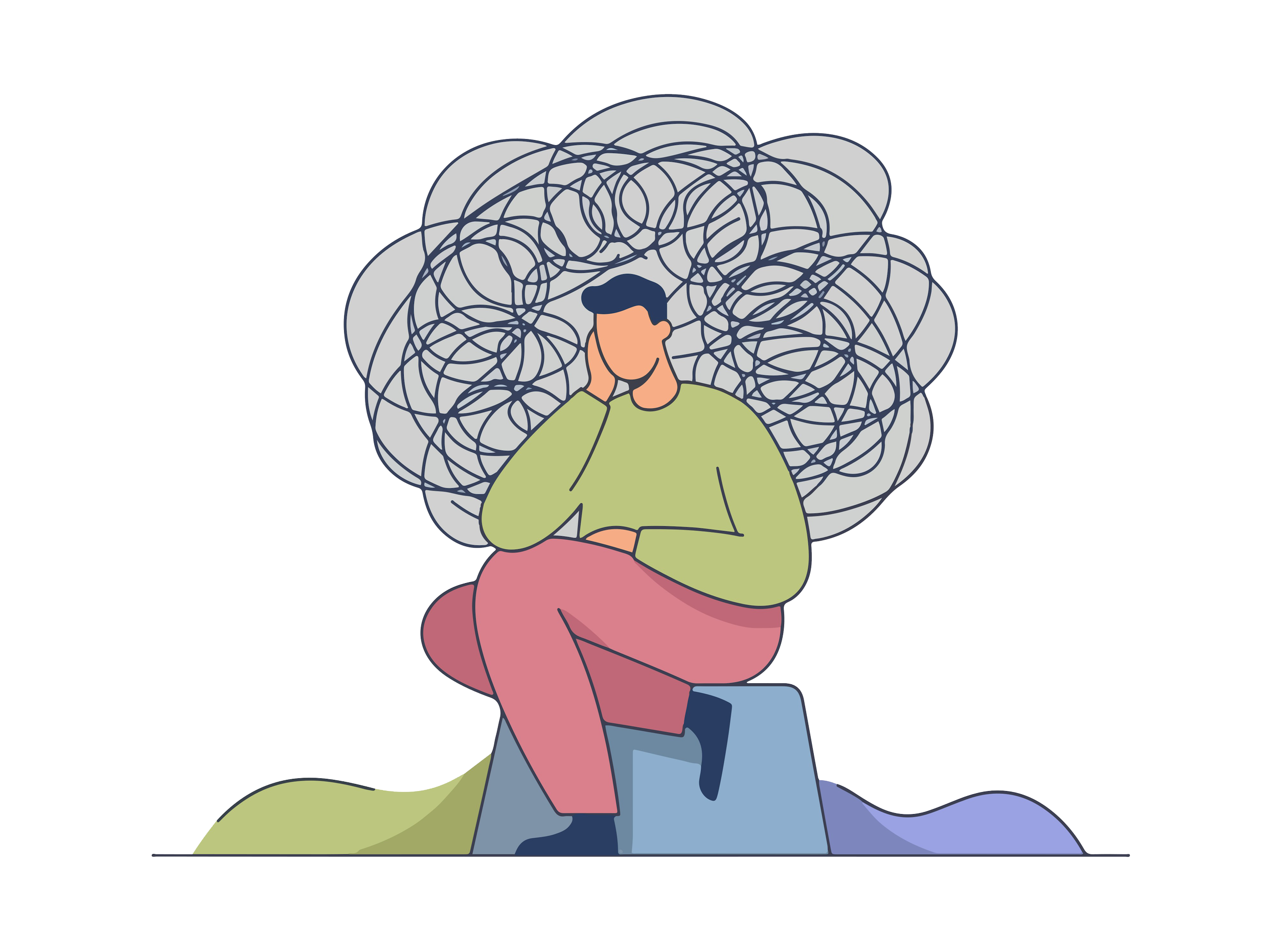
Cognitive Behavioral Therapy (CBT)

CBT a structured, present-focused form of therapy based on the idea that our thoughts, feelings, and behaviors are all connected — so changing unhelpful thought patterns can change how we feel and act.

Eye Movement Desensitization and Reprocessing (EMDR)

EMDR is a therapy modality originally developed for trauma and PTSD. It works by having the client briefly recall a distressing memory while engaging in bilateral stimulation.

Dialectical Behavior Therapy (DBT)

DBT was originally developed for chronic suicidality and borderline personality disorder, though it's now used more broadly for emotion dysregulation. It's built on a "dialectic" — holding acceptance and change together at the same time, rather than one or the other.